Introduction
In medical care, efficient air passage and ventilation monitoring is critical. This overview works as an essential resource for healthcare specialists looking for to grow their understanding of these critical components in client care. From fundamental ventilator programs to specialized training for registered nurses, we will explore different aspects, methods, and approaches that underscore the relevance of correct respiratory tract monitoring and ventilation.
What is Respiratory tract and Ventilation Management?
Airway and ventilation monitoring refers to the techniques used to maintain or recover breathing in patients who are not able to take a breath effectively by themselves. It encompasses a wide range of treatments from standard air passage clearance approaches to advanced mechanical ventilation approaches. Comprehending these strategies is essential for all medical care professionals, especially those involved in emergency medicine, crucial care, and anesthesia.
The Significance of Respiratory tract Monitoring and Ventilation
Effective respiratory tract monitoring can be the distinction between life and fatality. Conditions like respiratory system distress or failing can rapidly escalate otherwise dealt with immediately. Appropriate training in air passage management ensures that doctor can recognize when intervention is essential and implement ideal responses.
Basic Concepts of Air passage Management
Before delving deeper into various training options readily available, it's vital to understand some basic ideas:
- Airway Obstruction: An obstruction that prevents air from getting in the lungs. Ventilation: The procedure of moving air right into and out of the lungs. Oxygenation: The distribution of oxygen from the lungs to the bloodstream.
Your Full Overview to Effective Air Passage and Ventilation Management Strategies
This area will carefully detail various strategies used in airway administration and air flow. We'll cover everything from essential concepts to complex strategies utilized in critical treatment settings.
Fundamentals of Airway Clearance Techniques
Positioning for Airway Patency
Positioning a patient correctly can substantially improve air passage patency. As an example:
- Supine position Lateral position Elevating the head
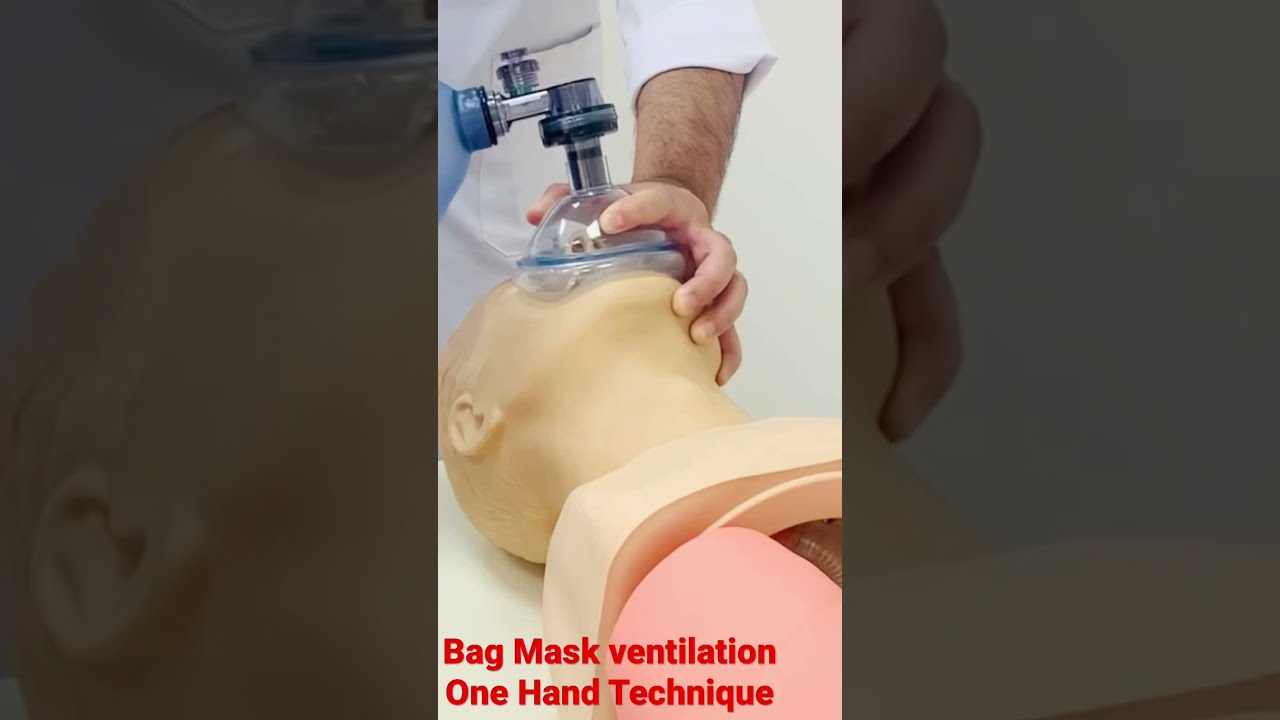
Manual Maneuvers
Techniques such as chin-lift or jaw-thrust maneuvers https://anotepad.com/notes/3rmdpgxd can aid open up Discover more here an obstructed air passage effectively.
Mechanical Air flow Basics
Mechanical air flow is often required when patients can not initiate breath separately. Understanding how ventilators function-- particularly modes like assist-control (AIR CONDITIONING) or stress assistance-- is crucial for clinicians.
Types of Mechanical Ventilators
Volume-Cycled Ventilators Pressure-Cycled Ventilators High-Frequency VentilatorsVentilator Training for Nurses
With enhancing reliance on ventilatory support group, specialized training programs customized for registered nurses have actually become crucial.
Key Understanding Goals in Ventilator Training Courses
- Understanding ventilator settings Recognizing alarm patterns Managing usual complications
Advanced Air passage Management Techniques
As intricacies in client physiology rise, so does the requirement for innovative techniques.
Endotracheal Intubation Procedures
Intubation stays one of one of the most critical skills in airway monitoring. It includes placing a tube right into a patient's throat to maintain an open pathway for air.
Indications for Intubation
- Severe respiratory system distress Loss of safety respiratory tract reflexes Need for long term mechanical ventilation
Tracheostomy and Ventilator Training
A tracheostomy may be performed when extended intubation is prepared for, allowing for less complicated access to the respiratory tract without causing damage to vocal cords.
Steps Involved in Executing a Tracheostomy
Sterile preparation Incision making Tube insertionUnderstanding Various Modes of Mechanical Ventilation
Different modes provide one-of-a-kind benefits depending on person needs.
Assist-Control Setting vs Stress Assistance Mode
Both settings serve various objectives:
- Assist-Control (AC) supplies pre-set breaths however allows spontaneous breathing. Pressure Support supplies support throughout spontaneous breaths only.
Indications for every Mode
Each mode has specific scenarios where it is most advantageous, which healthcare providers must be proficient at identifying.
Ventilator Stress Support Explained
Ventilator stress assistance aids patients with their breathing initiatives while assisting them get over resistance provided by endotracheal tubes or tracheostomy tubes.
Benefits of Stress Support
Reduced work of breathing Improved convenience levels Enhanced synchrony in between person effort and maker responseNDIS Ventilation Training Program Overview
For professionals working with people calling for lasting air flow under Australia's National Impairment Insurance coverage System (NDIS), specialized training courses are available.
Key Elements Covered in NDIS Courses
- Patient assessment Equipment selection Emergency protocols
FAQs regarding Respiratory tract and Air Flow Management
1. What is ventilator support?
Ventilator support refers to mechanical assistance supplied by equipments developed to aid clients take a breath when they can refrain from doing so adequately by themselves, making sure adequate oxygen supply while eliminating co2 effectively.
2. Why are ventilation training programs important?
Such training courses outfit healthcare professionals with crucial abilities required for managing individuals who require breathing assistance, allowing them to respond successfully throughout emergency situations that involve endangered respiratory tracts or insufficient ventilation.
3. Exactly how do I start with tracheostomy and ventilator training?
Many institutions supply specialized training courses concentrating on tracheostomy care within wider ventilator training programs targeted at registered nurses or various other healthcare providers functioning straight with these patients.
4. What need to I seek in a standard ventilator course?
Ideal programs need to cover basic principles associated with mechanical air flow technicians together with hands-on session focusing on troubleshooting typical issues faced throughout scientific application.
5. Can I take an online training course on air passage management?
Yes! Many credible companies offer online modules covering basics like air passage anatomy, risk factors associated with difficult intubations, etc, making education and learning accessible regardless of geographical constraints.

6. Exist any kind of correspondence course available?
Absolutely! Constant education and learning via refresher courses aids ensure that practitioners stay updated concerning innovations within innovation utilized for reliable respiratory tract management & & ventilation strategies over time; this ultimately improves patient results during important situations!
Conclusion
In summary, grasping effective respiratory tract and air flow monitoring techniques is essential not only for conserving lives but also boosting general client results when managing respiratory difficulties. By taking part in organized training programs-- ranging from fundamental ventilator programs to advanced tracheostomy strategies-- medical care specialists can improve their knowledge substantially while guaranteeing they are well-prepared for real-world scenarios come across within clinical setups worldwide!
This comprehensive exploration aims not simply at supplying understanding however encouraging medical care specialists with confidence via education; after all-- effective treatment begins with understanding!